Locations
Go beyond the obvious view
From celebrated landmarks to streets, squares and panoramic viewpoints, learn to look for photographs rather than just places to visit.
Rome photo guide · English edition
See Rome with a photographer’s eye. Discover places, light, viewpoints and composition ideas for taking photographs that go beyond the usual postcard.
Book · Photography · Rome
Rome is photographed millions of times. The challenge is to make thoughtful choices about where to stand, when to visit and what to include in the frame.
From celebrated landmarks to streets, squares and panoramic viewpoints, learn to look for photographs rather than just places to visit.
Understand how morning, afternoon, sunset and blue hour change architectural shapes and the atmosphere of a location.
Consider focal length, distance, framing, foregrounds and the visual relationships between Rome’s many layers.
From the author
I am Michele Giove, a professional photographer based in Rome. I work across sports, portraits, events and the city itself. This book comes from a practical relationship with Rome: returning to locations, studying the light and deciding what a photograph needs before pressing the shutter.
It is intended for travellers with cameras or smartphones, photography enthusiasts and anyone who wants to make better use of a limited stay in the Eternal City. You do not need expensive equipment: observation and timing matter most.
These FotoGiove articles offer a preview of the topics covered in the wider project. The linked free articles are currently in Italian.
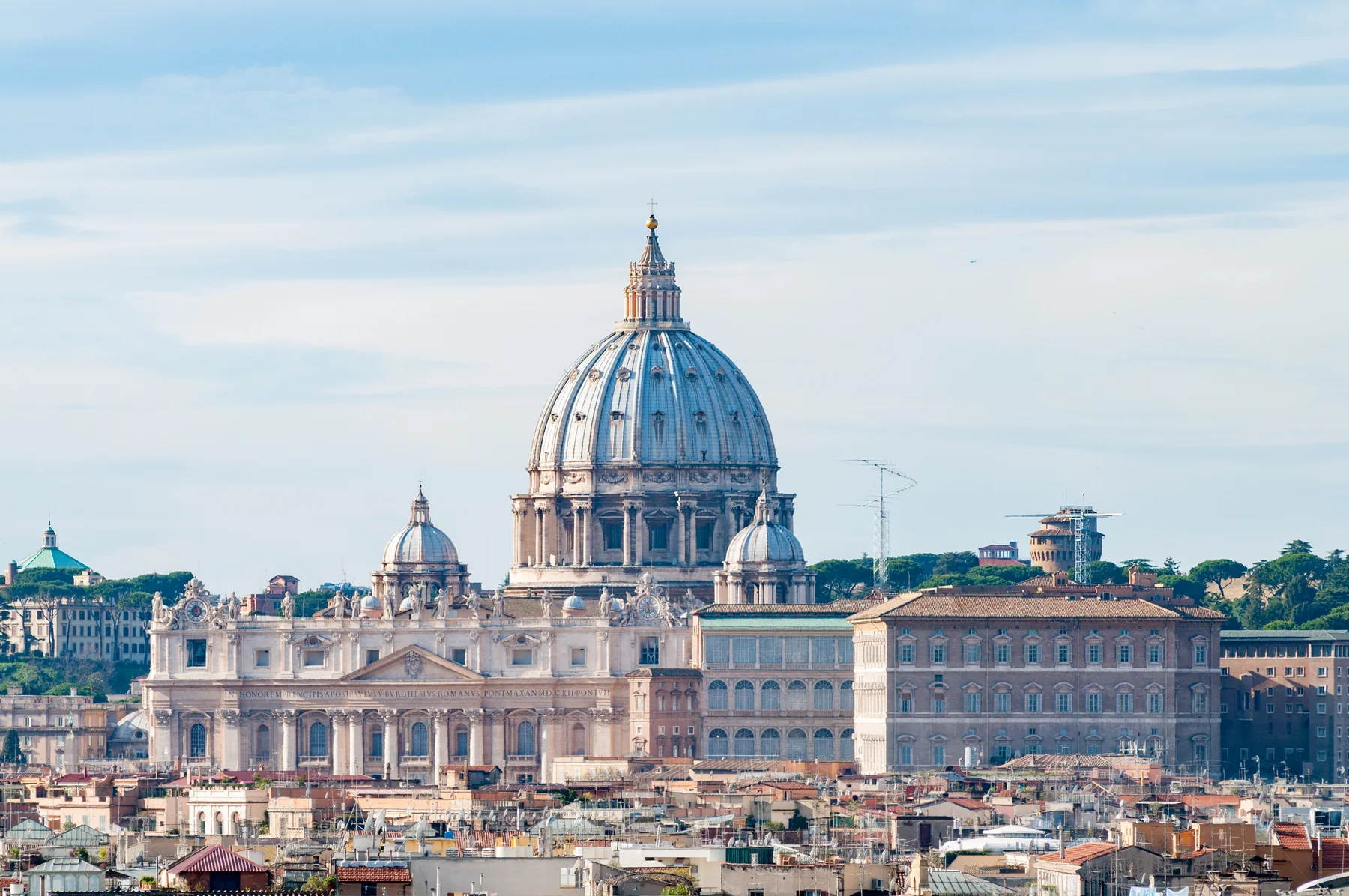
Where to stand, when the light works and which focal lengths can change the picture.
Photograph the dome, the square and the city from different distances.
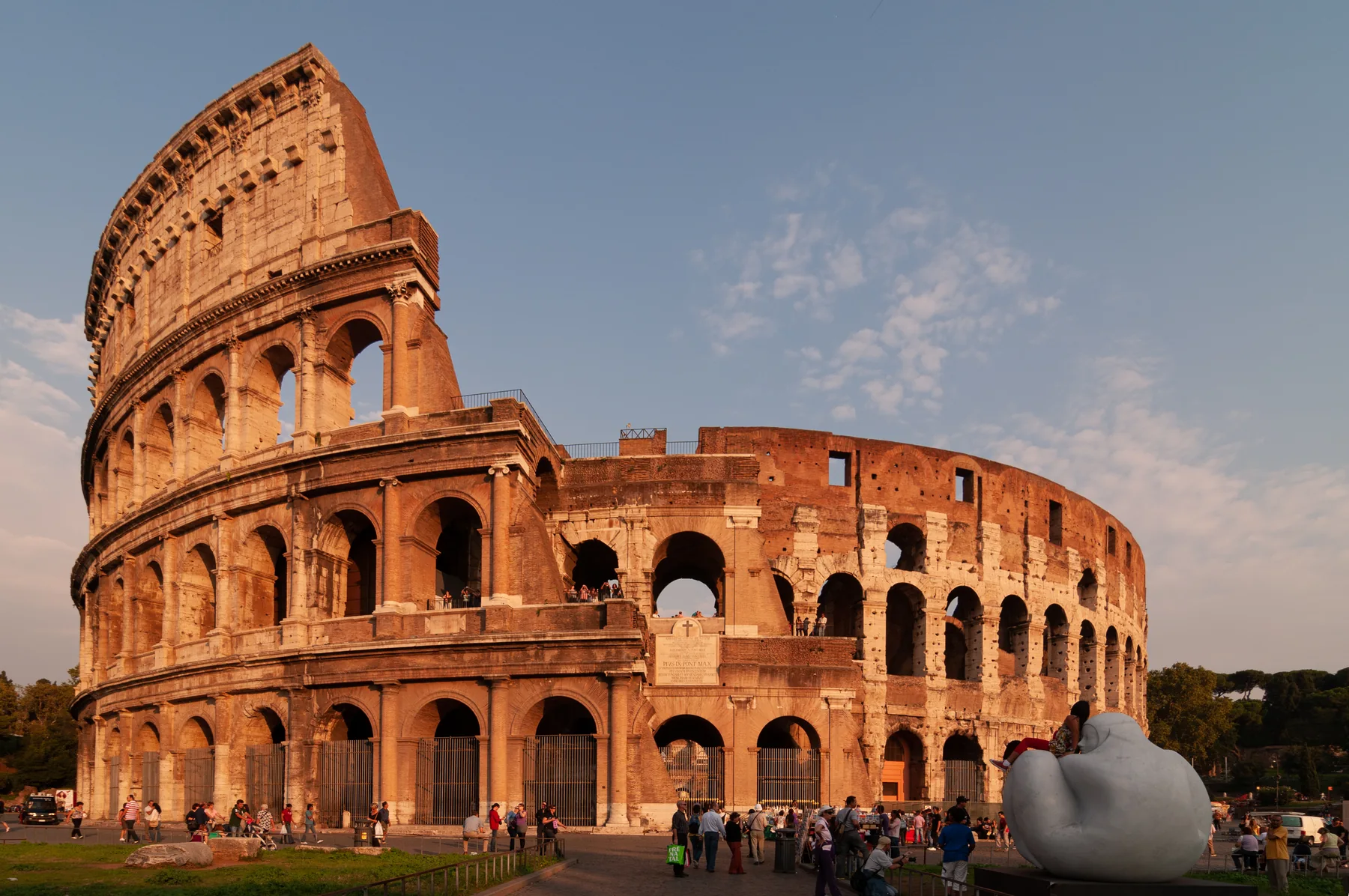
Plan the morning light and learn which viewpoints work at different times of year.
This photography guide is available in three language editions.
Before travelling, shortlist the locations you want to photograph and decide which time of day matters most. Once in Rome, use the book as a starting point, then adapt to the weather, the crowds and the light in front of you.
A wide-angle lens is not always the answer: sometimes a telephoto lens tells a more interesting story by compressing rooftops, domes and distant details. You can apply the same approach with a compact camera or your phone.
It is written from a photographic point of view. The focus is on places to photograph, light, timing and composition rather than a generic list of attractions.
No. The observation and framing principles also work with a smartphone or a simple camera.
Yes. FotoGiove also has dedicated pages for the Italian and Spanish editions.
Use the Amazon link on this page to see the English-language book and the available purchase options.
A personalised photography walk can help you work on composition, light and lens choice directly in the city. This service page is currently in Italian.
A personalised photography walk can help you work on composition, light and lens choice directly in the city. This service page is currently in Italian.
As an Amazon Associate, I earn from qualifying purchases. Using these links does not add a charge to your purchase.
Start with the book, then explore the free FotoGiove guides and the city through your own camera.